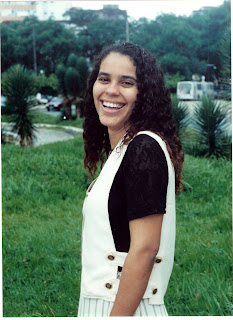
A 2ª aula de Didática certamente foi muito enriquecedora para todos que estiveram presentes ao PIBID. Embora as apresentações tenham sido voltadas para a área de História e a turma 2 de didática seja bastante mista, creio que as apresentações foram extremamente úteis para o ensino de qualquer disciplina.
Bem, dessa aula só poderei absorver aquilo que os colegas comentaram do evento, mas creio que a essência de tudo foi: variar as abordagens, não se contentar com o método quadro-piloto e estar sempre avaliando se a estratégia usada alcançou os resultados esperados. Nesse contexto creio que uma técnica utilizada na administração que aprendi há algum tempo nos seja útil nessa missão de ensinar. A sigla da técnica é PDCA - Plan (Planejar) Do (fazer) Check( checar, verificar) e Act(agir corretivamente). Penso que devemos "rodar o PDCA" também em sala de aula, afinal " QUEM OUSA ENSINAR NUNCA DEVE CESSAR DE APRENDER". John Dana
domingo, 4 de setembro de 2011

IMPRESSÕES PRÉ CONCEBIDAS
Bem colegas,
Deixarei as minhas primeiras impressões e expectativas quanto às aulas de Didática I baseando-me na leitura dos blogs postados por vocês. Creio que não ficarei distante da realidade, pois na minha experiência acadêmica a análise dos colegas com relação aos professores e disciplina tem se mostrado muito precisa. Por exemplo, quando ouvi dizer que determinado professor era "o cara", a informação se confirmou. O inverso também foi verdade e é nesse ponto que os posts que li me deixaram muito animada com a turma. Estava um tanto preocupada porque já tinha ouvido horrores com relação às matérias de Didática e nesse semestre as coisas parecem estar sendo bem diferentes, graças a Deus! Dessa forma sei
que aprenderei muito com as aulas de Didática e espero saber usar esse aprendizado com meus alunos.
Como já disse, estou ansiosa para poder viver todas as experiências junto com a turma. Como costumo dizer a alguns amigos pessoais:"estou em cólicas". Mas em brevei experimentarei tudo ao vivo e em cores, bem vibrantes.
Abraços calorosos,
AULAS DE DIDÁTICA I
Olá colegas,
Este semestre está sendo um desafio, talvez não muito diferente dos outros, mas como todo novo desafio, causando certas "dores de cabeça" e muitos transtornos.
Estou acompanhando as aulas de EDC A 11, temporariamente, pelo moodle e pelas postagens dos colegas e estou ansiosa para poder estar presencialmente com a turma. Li alguns poucos (por enquanto) mas motivadores comentários sobre a turma e sobre a dinâmica das aulas. (Espero não ter que pagar nenhuma prenda rss).
Minha dificuldade no momento é que precisei negociar a alteração do meu horário de aulas na escola em que trabalho e o processo foi complicado em razão das implicações da mudança. Conseguimos fazer a alteração necessária, já nos 45 do segundo tempo, mas a mesma só poderá vigorar a partir da IV unidade, oque nos leva até o dia 16/09/11. Contudo estou na luta, como todos vocês, e sei que vou conseguir. Vai ser (está sendo) mais complicado, mas o jogo só acaba quando termina e estou disposta a superar todos os obstáculos.
Bos aulas a todos nós! Nos veremos em breve!
sábado, 16 de maio de 2009
PHONETIC AND PHONOLOGY OF THE ENGLISH LANGUAGE

1.0 VOWELS
The vowels in English language are different from vowels in Portuguese. In Portuguese we have 5(five) vowels: a, e, i, o, u that can make only 7(seven) different sounds:
/i/ - ali /ali/
/ê/ - ele /êli/
/é/ - pé /pé/
/a/ - lá /la/
/ó/ - pó /pó/
/ô/ - ovo /ôvu/
/u/ - uva /uva
In English we also have 5(five) vowels but them can make 11(eleven) different sounds:
/iy/ - beat /biyt/
In English we also have 5(five) vowels but them can make 11(eleven) different sounds:
/iy/ - beat /biyt/
/I/ - bit /bIt/
/êy/ - bait /bêyt/
/e/ - bet /bet/
/æ/ - bat /bæt/
/a/ - father /'faðer/
/ə/ - but /bət/
/o/ - bought /bot/
/ôw/ - boat /bôwt/
/U/ - book /bUk/
/uw/ - boot /buwt/
SCHÜTZ (2008) says that there are authors as Mazurkiewicz that counted at least 15(fifteen) vowels whereas D’Eugenio found even more, he counted twenty vocalic phonemes: twelve pure vowels and eight diphthongs.
Because the higher number of vowels is difficult for a person who is learning English to maintain a clear distinction between phonemes in such an “enriched inventory” of phonemic units as in English and its becomes particularly harder for the foreign language learner when the native language has a smaller number of phonemes in such than the target language, as in Portuguese.
On the other hand a person who is learning Portuguese as second language, probably will not have many problems with vowels.
The problem in Portuguese is that sometimes some vowels, especially o and e sounds like another. For example, tombo. This word is spelt as t,o,m,b,o but if we were represent it phonetically it would be / t o m b u / The vowel o in the end sounds like u.
The similar problem occur with the vowel e in words like pele, dele, cadete, the vowel e in the end sounds like i.
In general this change occurs in the end of the word, but can also occur in other position, as desespero or derrubar. Despite it be spelt with e in the beginning is pronounced as it was spelt with i / disespero / and /dirrubar/.
In case of students that are learning English as second language the problems with vowels are bigger.
One of the problems is the nasality. In Portuguese language there are vowels and nasal consonants, while in English not. Then is common for a Portuguese speaker nasalizes some words, and it becomes very difficult to them spoken without accent.
Other commons mistakes that are committed are with long and short vowels. It is difficult to a Portuguese speaker differ the pronunciation of words with /i/ from /I/ and /u/ from /U/ thus neutralizing the contrast between words like:
LONG SHORT
beach /biytsh/ bitch /bItsh/
SCHÜTZ (2008) says that there are authors as Mazurkiewicz that counted at least 15(fifteen) vowels whereas D’Eugenio found even more, he counted twenty vocalic phonemes: twelve pure vowels and eight diphthongs.
Because the higher number of vowels is difficult for a person who is learning English to maintain a clear distinction between phonemes in such an “enriched inventory” of phonemic units as in English and its becomes particularly harder for the foreign language learner when the native language has a smaller number of phonemes in such than the target language, as in Portuguese.
On the other hand a person who is learning Portuguese as second language, probably will not have many problems with vowels.
The problem in Portuguese is that sometimes some vowels, especially o and e sounds like another. For example, tombo. This word is spelt as t,o,m,b,o but if we were represent it phonetically it would be / t o m b u / The vowel o in the end sounds like u.
The similar problem occur with the vowel e in words like pele, dele, cadete, the vowel e in the end sounds like i.
In general this change occurs in the end of the word, but can also occur in other position, as desespero or derrubar. Despite it be spelt with e in the beginning is pronounced as it was spelt with i / disespero / and /dirrubar/.
In case of students that are learning English as second language the problems with vowels are bigger.
One of the problems is the nasality. In Portuguese language there are vowels and nasal consonants, while in English not. Then is common for a Portuguese speaker nasalizes some words, and it becomes very difficult to them spoken without accent.
Other commons mistakes that are committed are with long and short vowels. It is difficult to a Portuguese speaker differ the pronunciation of words with /i/ from /I/ and /u/ from /U/ thus neutralizing the contrast between words like:
LONG SHORT
beach /biytsh/ bitch /bItsh/
bead /biyd/ bid /bId/
beat /biyt/ bit /bIt/
cheap /tshiyp/ chip /tshIp/
eat /iyt/ it /It/
fool /fuwl/ full /fUl/
Luke /luwk/ look /lUk/
fool /fuwl/ full /fUl/
Luke /luwk/ look /lUk/
pool /puwl/ pull /pUl/
stewed /stuwd/ stood /stUd/
Beyond short and long vowels, Portuguese speakers have problems with English phonemes /e/ and /æ/ that will be perceived as Portuguese /é/. This mistake make difficult to pronounce correctly words like:
bed /bed/ - bad /bæd/
beg /beg/ - bag /bæg/
dead /ded/ - dad /dæd/
end /end/ - and /ænd/
Portuguese speakers will also experience difficulty to distinguishing between English /a/ and /o/. This problem occurs because many times the vowel /a/ is pronounced as /o/ as in law, and this sound corresponding in Portuguese to /ó/ as in dó .
And finally, Portuguese speakers would make confusion with the pronunciation about the English mid-central /ə/ that can be stressed / ^ / or unstressed /ə/. In this case there is probability that the speakers be influenced by spelling, as in words like but, rubber, photographer, that can be pronounced as /bət/, /rəbər/ and /fô'tógrafêr/ instead of, /b ^ t/, /r^ b ə r / and /fə'tagrəfər/.
As we saw to know the correct pronunciation of the vowels in English is extremely important and the only way to learn is practicing. But, for help us during this process we can memorize some phrases with the correct pronunciation of the vowels, as the examples below.
Lee bit Ray's best hat. - O Lee mordeu o melhor chapéu do Ray.
/iy//I//êy/ /e//æ/
Stew pushed Joe off the cot. - O Stew empurrou o Joe para fora da cama de campanha.
/uw//U/ /ôw//o/ /ə//a/
She is acing ten classes using the books and notes always honestly.
/iy//I//êy/ /e/ /æ/ /uw/ /ə//U/ /ôw/ /o/ /a/
Ela está fazendo com perfeição dez matérias usando os livros e as anotações sempre honestamente.
2.0 INTONATION
Intonation is a very important subject for a good communication; according to intonation we will have a meaning.
We can say that intonation is the combination of musical tones that we use to speak. It is specifically the tune we speak.
Each person has a kind of tune, personally and regionally. In Brazil we say that “cariocas” speak as it was singing, but in fact, everybody sings while speaks, if not we would speak as a robot.
Expressive speakers can use as many as twenty five different notes when are speaking, and each different note give a meaning what they say. In fact, our voice is the most complete musical instrument that exists.
Intonation is so important that journalists and radio workers have to learn it to do your job. They called it as verbal inflection.
For English speakers intonation is an essential knowledge and is closely related to sentence-stress. Of course each speaker has your own range of notes, but most native speakers of English rise and fall your voices at approximately the same place.
The tones of intonation are marked for a simplified system that is divided into four types: normal, high, low and extra-high.
To show the types of intonation we draw a line under, above or in the base of the word, as these examples:
How old are you?
The line drawn in the base of the word represents the normal tone, as in how. The line drawn above the word indicates a high tone, as in are and the line drawn some distance the word indicates a low tone, as you.
The following example represents, beyond the normal, high and low a extra-high tone too.
I love you much than he loves me
The line drawn some distance above the word indicates the extra-high tone, as in I.
To indicate the change of tones between syllables we use a straight vertical line called shift, as in the examples above. But when the change occurs in the same syllable we use a slide a line curving up or down.
The coffee is hot
There are some rules to use shift and slide and it is very important because the meaning of the word can be totally changed when we use shift or slide. As the examples below:
I live in a WhiteHouse (I am a president of USA)
I live in a white house (I live in a house which color is white)
There are rules to use rising-falling intonation, but in general it is used at the end of the sentence (declarative sentences, commands and questions with interrogative words).
The rising intonation is normally used in the opposite situation of rising-falling: At the end of questions which do not begin with an interrogative word.
Are you fine? It is different from How are you feeling?
Rising Intonation Rising-Following Intonation
Questions that we can use rising intonation, in general, can be answered by yes or no. Normally they begin with auxiliary verbs, as can, am, does, has, may, etc.
It is important to know that rising intonation suggest an incomplete idea. But we also use rising intonation when we want create suspense or emphasizing the idea of contrast. In this case to mark the differences we use extra-high note.
Robert drives better than I do
It is also important to know that, despite the rules, intonation is used basically to communicate, thus the speaker will decide in which tone he or she will speak. On the other hand, there are some situations that we have to pay attention to correct tune as: series with and, alternatives with or, direct address and tag questions.
In phrases like these, the correct use of the rising or falling intonations will give the correct idea about what we want to say and will make the comprehension of the listener easier, especially if we were talking with a native person.
To summarize, intonation is very important for English speakers, because indicates emotions, feelings, options, focus, etc. Intonations patterns are considered “as part of grammatical system of English, essential to the structure of the language as are other grammatical signals such as word order, inflectional endings and function words.”
3.0 COMMONEST MISTAKES MADE BY BRAZILIAN STUDENTS
Brazilians students make many mistakes when are learning to speak in English.
The pronunciation of English words is totally different from Portuguese words. In English the same letter can be pronounces by different ways.
It happens with the vowels, for example. In Portuguese language there is less variety of sounds in vowels. But in English the vowels have different sounds, as was mentioned in the text about this specific subject: vowels.
This variety of sounds of vowels makes the Portuguese speaker to pronounce as the word is spelt.
The commonest mistakes are with long and short vowel: leave / l I y v / and live / l I v /, stood /stUd/ and stewed /stuwd /. Another problems are the phonemes /e/ and /æ and /a/ e /o/. Normally is difficult to a Portuguese speaker to indentify what is the correct phoneme for some word, as in these cases below:
flesh /flesh/ and flash /flæsh/ or pen /pen/ and pan /pæn/
collar /'kalər/ and caller /'kolər/ or cot /kat/ and caught /kot/
The Portuguese speaker has problem of pronunciation with plural too, because in English, the letter /s/ sounds like /z/ when the last sound is voiced (our vocal cords vibrate when the word is pronounced). Thus is common a Portuguese speaker pronounce incorrectly some words in plural. Normally they pronounce with /s/ sound instead of the correct /z/ sound, as in the examples below.
SINGULAR PLURAL
girl girls /z/
boy boys /z/
pen pens /z/
When the final sound is voiceless (There is no vibration in our vocal cords when we pronounce) we pronounce /s/ as /s/, like in books /s/, lamps /s/ and dates /s/.
Plural in English has another particularity: when the word in singular has one syllable but in plural has two syllables, though the final letter to be /s/, the sound will change to /IZ/.
SINGULAR PLURAL
Bus buses /IZ/
Kiss kisses /IZ/
Buzz buzzes /IZ/
Verbs in English also cause confusion in the pronunciation of non-natives, specifically in the past and third person.
Regular verbs in the third person have the similar rules of plural; the pronunciation depends on the last sound, if it is voiced or unvoiced and the number of the syllables. When the last sound is voiced we pronounce as /z/, when it is unvoiced we pronounce as /s/. We pronounce as /IZ/ when in the third person the verb change the number of syllables.
INFINITIVE THIRD PERSON
To write writes /s/
To play plays /z/
To dress dresses /IZ/
In the past we have three possibilities of sounds at the end of the verb: d, t and id. If the last sound was voiced, then we will pronounce it as /d/. If it was unvoiced we will pronounce as /t/.
INFINITIVE PAST
To train trained /d/
To love loved /d/
To pick picked /t/
To talk talked /t/
We pronounce the word with id when the ending is pronounced as a separate syllable, as in protected /id/, intended /id/ , created /id/, completed /id/, etc.
There are other mistakes that are made by Brazilian students. These are some of them, but it is common make mistakes when we are learning a new language, especially when we are adults, because we have difficult to think in the new idiom, and it is essential to a good communication.
Often we try to translate expressions to our mother tongue and these “translation” will be incomprehensible to a native person. For a good communication in a second language we have to be in touch with songs, books and movies that will help us to identify e memorize the correct pronounce and to know better the expressions and structures of the language and will avoid to consolidate mistakes resulting from direct translation.
Portuguese speakers will also experience difficulty to distinguishing between English /a/ and /o/. This problem occurs because many times the vowel /a/ is pronounced as /o/ as in law, and this sound corresponding in Portuguese to /ó/ as in dó .
And finally, Portuguese speakers would make confusion with the pronunciation about the English mid-central /ə/ that can be stressed / ^ / or unstressed /ə/. In this case there is probability that the speakers be influenced by spelling, as in words like but, rubber, photographer, that can be pronounced as /bət/, /rəbər/ and /fô'tógrafêr/ instead of, /b ^ t/, /r^ b ə r / and /fə'tagrəfər/.
As we saw to know the correct pronunciation of the vowels in English is extremely important and the only way to learn is practicing. But, for help us during this process we can memorize some phrases with the correct pronunciation of the vowels, as the examples below.
Lee bit Ray's best hat. - O Lee mordeu o melhor chapéu do Ray.
/iy//I//êy/ /e//æ/
Stew pushed Joe off the cot. - O Stew empurrou o Joe para fora da cama de campanha.
/uw//U/ /ôw//o/ /ə//a/
She is acing ten classes using the books and notes always honestly.
/iy//I//êy/ /e/ /æ/ /uw/ /ə//U/ /ôw/ /o/ /a/
Ela está fazendo com perfeição dez matérias usando os livros e as anotações sempre honestamente.
2.0 INTONATION
Intonation is a very important subject for a good communication; according to intonation we will have a meaning.
We can say that intonation is the combination of musical tones that we use to speak. It is specifically the tune we speak.
Each person has a kind of tune, personally and regionally. In Brazil we say that “cariocas” speak as it was singing, but in fact, everybody sings while speaks, if not we would speak as a robot.
Expressive speakers can use as many as twenty five different notes when are speaking, and each different note give a meaning what they say. In fact, our voice is the most complete musical instrument that exists.
Intonation is so important that journalists and radio workers have to learn it to do your job. They called it as verbal inflection.
For English speakers intonation is an essential knowledge and is closely related to sentence-stress. Of course each speaker has your own range of notes, but most native speakers of English rise and fall your voices at approximately the same place.
The tones of intonation are marked for a simplified system that is divided into four types: normal, high, low and extra-high.
To show the types of intonation we draw a line under, above or in the base of the word, as these examples:
How old are you?
The line drawn in the base of the word represents the normal tone, as in how. The line drawn above the word indicates a high tone, as in are and the line drawn some distance the word indicates a low tone, as you.
The following example represents, beyond the normal, high and low a extra-high tone too.
I love you much than he loves me
The line drawn some distance above the word indicates the extra-high tone, as in I.
To indicate the change of tones between syllables we use a straight vertical line called shift, as in the examples above. But when the change occurs in the same syllable we use a slide a line curving up or down.
The coffee is hot
There are some rules to use shift and slide and it is very important because the meaning of the word can be totally changed when we use shift or slide. As the examples below:
I live in a WhiteHouse (I am a president of USA)
I live in a white house (I live in a house which color is white)
There are rules to use rising-falling intonation, but in general it is used at the end of the sentence (declarative sentences, commands and questions with interrogative words).
The rising intonation is normally used in the opposite situation of rising-falling: At the end of questions which do not begin with an interrogative word.
Are you fine? It is different from How are you feeling?
Rising Intonation Rising-Following Intonation
Questions that we can use rising intonation, in general, can be answered by yes or no. Normally they begin with auxiliary verbs, as can, am, does, has, may, etc.
It is important to know that rising intonation suggest an incomplete idea. But we also use rising intonation when we want create suspense or emphasizing the idea of contrast. In this case to mark the differences we use extra-high note.
Robert drives better than I do
It is also important to know that, despite the rules, intonation is used basically to communicate, thus the speaker will decide in which tone he or she will speak. On the other hand, there are some situations that we have to pay attention to correct tune as: series with and, alternatives with or, direct address and tag questions.
In phrases like these, the correct use of the rising or falling intonations will give the correct idea about what we want to say and will make the comprehension of the listener easier, especially if we were talking with a native person.
To summarize, intonation is very important for English speakers, because indicates emotions, feelings, options, focus, etc. Intonations patterns are considered “as part of grammatical system of English, essential to the structure of the language as are other grammatical signals such as word order, inflectional endings and function words.”
3.0 COMMONEST MISTAKES MADE BY BRAZILIAN STUDENTS
Brazilians students make many mistakes when are learning to speak in English.
The pronunciation of English words is totally different from Portuguese words. In English the same letter can be pronounces by different ways.
It happens with the vowels, for example. In Portuguese language there is less variety of sounds in vowels. But in English the vowels have different sounds, as was mentioned in the text about this specific subject: vowels.
This variety of sounds of vowels makes the Portuguese speaker to pronounce as the word is spelt.
The commonest mistakes are with long and short vowel: leave / l I y v / and live / l I v /, stood /stUd/ and stewed /stuwd /. Another problems are the phonemes /e/ and /æ and /a/ e /o/. Normally is difficult to a Portuguese speaker to indentify what is the correct phoneme for some word, as in these cases below:
flesh /flesh/ and flash /flæsh/ or pen /pen/ and pan /pæn/
collar /'kalər/ and caller /'kolər/ or cot /kat/ and caught /kot/
The Portuguese speaker has problem of pronunciation with plural too, because in English, the letter /s/ sounds like /z/ when the last sound is voiced (our vocal cords vibrate when the word is pronounced). Thus is common a Portuguese speaker pronounce incorrectly some words in plural. Normally they pronounce with /s/ sound instead of the correct /z/ sound, as in the examples below.
SINGULAR PLURAL
girl girls /z/
boy boys /z/
pen pens /z/
When the final sound is voiceless (There is no vibration in our vocal cords when we pronounce) we pronounce /s/ as /s/, like in books /s/, lamps /s/ and dates /s/.
Plural in English has another particularity: when the word in singular has one syllable but in plural has two syllables, though the final letter to be /s/, the sound will change to /IZ/.
SINGULAR PLURAL
Bus buses /IZ/
Kiss kisses /IZ/
Buzz buzzes /IZ/
Verbs in English also cause confusion in the pronunciation of non-natives, specifically in the past and third person.
Regular verbs in the third person have the similar rules of plural; the pronunciation depends on the last sound, if it is voiced or unvoiced and the number of the syllables. When the last sound is voiced we pronounce as /z/, when it is unvoiced we pronounce as /s/. We pronounce as /IZ/ when in the third person the verb change the number of syllables.
INFINITIVE THIRD PERSON
To write writes /s/
To play plays /z/
To dress dresses /IZ/
In the past we have three possibilities of sounds at the end of the verb: d, t and id. If the last sound was voiced, then we will pronounce it as /d/. If it was unvoiced we will pronounce as /t/.
INFINITIVE PAST
To train trained /d/
To love loved /d/
To pick picked /t/
To talk talked /t/
We pronounce the word with id when the ending is pronounced as a separate syllable, as in protected /id/, intended /id/ , created /id/, completed /id/, etc.
There are other mistakes that are made by Brazilian students. These are some of them, but it is common make mistakes when we are learning a new language, especially when we are adults, because we have difficult to think in the new idiom, and it is essential to a good communication.
Often we try to translate expressions to our mother tongue and these “translation” will be incomprehensible to a native person. For a good communication in a second language we have to be in touch with songs, books and movies that will help us to identify e memorize the correct pronounce and to know better the expressions and structures of the language and will avoid to consolidate mistakes resulting from direct translation.
4.0 CONSONANTS
There are twenty two consonants in English that are divided in two groups: Voiced consonants and voiceless consonants. There are thirteen voiced consonants: b, l, ŋ, v, z, d, m, r, zh, g, n, ð and dzh. (Despite of w and y appear in the list of the voiced consonant, they are considered as semivowels.) The voiceless consonants are nine: f, k, s, t, h, p, sh, sh and tsh. In this list appears hw, but it is considered as combination of sounds.
Below we have the complete list of the English and Portuguese consonants with examples:
English consonants
There are twenty two consonants in English that are divided in two groups: Voiced consonants and voiceless consonants. There are thirteen voiced consonants: b, l, ŋ, v, z, d, m, r, zh, g, n, ð and dzh. (Despite of w and y appear in the list of the voiced consonant, they are considered as semivowels.) The voiceless consonants are nine: f, k, s, t, h, p, sh, sh and tsh. In this list appears hw, but it is considered as combination of sounds.
Below we have the complete list of the English and Portuguese consonants with examples:
English consonants
/p/ - pill [phIl]
/b/ - bill [bIl]
/t/ - till [thIl]
/d/ - day [dey]
/k/ - kill [khIl]
/g/ - goal [gowl]
/tsh/ - cheap [tshiyp]
/dzh/ - Joe [dzhow]
/f/ - fan [fæn]
/v/ - van [væn]
/Ø/ - think [ØIŋk]
/ð/ - this [ðIs]
/s/ - sink [sIŋk]
/z/ - zinc [zIŋk]
/sh/ - ship [shIp]
/zh/ - casual ['khæzhwəl]
/h/ - house [hawz]
/m/ - make [meyk]
/n/ - night [nayt]
/ŋ/ - long [loŋ]
/r/ - red [red]
/l/ - late [leyt]
/w/ - wine [wayn]
/y/ - yes [yes]
/y/ - yes [yes]
Portuguese consonants
/p/ - para ['paÐa]
/b/ - bala ['bala]
/t/ - tatu [ta'tu]
/d/ - dado ['dadu]
/k/ - coco ['kôku]
/g/ - gato ['gatu]
/f/ - faca ['faka]
/v/ - vaca ['vaka]
/s/ - sapo ['sapu]
/z/ - zelo ['zelu]
/sh/ - chave ['shavi]
/zh/ - jato ['zhatu]
/m/ - mala ['mala]
/n/ - nenê [nê'nê]
/ñ/ - ninho ['niñu]
/l/ - lado ['ladu]
/lh/ - olho ['ôlhu]
/Ð/ - para ['paÐa]
/R/ ou /x/ - rato ['Ratu] ou ['xatu]
As we can confirm in the list above there are more English sounds consonants than Portuguese. Despite of Portuguese language uses 34 phonemes, only nineteen are consonants.
Observing the list we can notice that there are similarities between English and Portuguese consonants. The consonants bellow, are some examples of sounds equal in both languages in some situations:
CONSONANT ENGLISH PORTUGUESE
/m/ Make Mala
/n/ Night Nervo
/k/ Kill Kuanto
/b/ Bill Bala
/d/ Day Data
/g/ Goal Gato
/s/ Sink Seta
/z/ Zinc Zelo
On the other hand there are many differences between some sounds. The sound of /p/ and /t/ in English has a similar sound in Portuguese, as in pill and pato or till and telha, but in English these sounds in the begging of the word or before vowel are aspirated, while not in Portuguese. The same occurs with /k/, as in cucumber.
In English there are sounds totally different as /r/, /Ø/ that does not have similar sound in Portuguese. The /r/ for example, is retroflex. Because of this, is very difficult for a Portuguese speaker pronounce it correctly, especially, when this sound is in the beginning of the word. Then, a native speaker certainly will make confusion to distinguish hat from rat if these words will not pronounced correctly.
The case of /Ø/, the famous “th” of English, is also difficult and the speakers have difficult to pronounce words like theater, bath, teeth, etc. In generally these words are pronounced with /f/ that is the closer sound in Portuguese.
Other difference is the sound of the / ŋ / as in sing. In English it is always pronounced and never nasalized, then is common the person who is learning to speak English, to nasalize this sound as in canga.
Portuguese speakers also tend to nasalize the sound of /m/ as in tambor but in English it does not have happen.
Other different consonants is /h/, in English it is aspirated as in hot, hospital and horse while in Portuguese does not exists similar sound, normally it is a deaf sound.
To know how the words are transcribed is very important to improve our pronunciation, especially about words that we were listening for the first time.
We can not forget that in English the pronunciation is totaling different from spelling which cause problems even for native people.
As we can confirm in the list above there are more English sounds consonants than Portuguese. Despite of Portuguese language uses 34 phonemes, only nineteen are consonants.
Observing the list we can notice that there are similarities between English and Portuguese consonants. The consonants bellow, are some examples of sounds equal in both languages in some situations:
CONSONANT ENGLISH PORTUGUESE
/m/ Make Mala
/n/ Night Nervo
/k/ Kill Kuanto
/b/ Bill Bala
/d/ Day Data
/g/ Goal Gato
/s/ Sink Seta
/z/ Zinc Zelo
On the other hand there are many differences between some sounds. The sound of /p/ and /t/ in English has a similar sound in Portuguese, as in pill and pato or till and telha, but in English these sounds in the begging of the word or before vowel are aspirated, while not in Portuguese. The same occurs with /k/, as in cucumber.
In English there are sounds totally different as /r/, /Ø/ that does not have similar sound in Portuguese. The /r/ for example, is retroflex. Because of this, is very difficult for a Portuguese speaker pronounce it correctly, especially, when this sound is in the beginning of the word. Then, a native speaker certainly will make confusion to distinguish hat from rat if these words will not pronounced correctly.
The case of /Ø/, the famous “th” of English, is also difficult and the speakers have difficult to pronounce words like theater, bath, teeth, etc. In generally these words are pronounced with /f/ that is the closer sound in Portuguese.
Other difference is the sound of the / ŋ / as in sing. In English it is always pronounced and never nasalized, then is common the person who is learning to speak English, to nasalize this sound as in canga.
Portuguese speakers also tend to nasalize the sound of /m/ as in tambor but in English it does not have happen.
Other different consonants is /h/, in English it is aspirated as in hot, hospital and horse while in Portuguese does not exists similar sound, normally it is a deaf sound.
To know how the words are transcribed is very important to improve our pronunciation, especially about words that we were listening for the first time.
We can not forget that in English the pronunciation is totaling different from spelling which cause problems even for native people.
segunda-feira, 28 de julho de 2008
O CAOS E O COSMO
O canto “o Caos e o Cosmo” é o terceiro da obra “Por Mares Nunca Dantes” do autor Geraldo Carneiro. Nesta obra o autor apresenta uma crítica aos Lusíadas de Luiz Vaz de Camões. Depreende-se o Caos e o cosmo, como a ordem na desordem, o cosmo como a totalidade de todas as coisas o universo ordenado, pois o caos se origina no cosmo.
O título da obra remete a Dante e a Divina Comédia que também contém uma crítica ao sistema.
No primeiro canto, Carneiro apresenta o personagem principal da obra, Luiz Vaz, despido de toda a sua pompa de herói “[...] sem armas nem barões assinalados”, “sulcando o mar em sua nave ave...” e envolto com as façanhas da máquina do mundo que o levaria às terras do Brasil, eventos relacionados aos cantos um e dez de Os Lusíadas.
No canto dois, o autor utiliza-se do episódio do Cabo das Tormentas associado ao Concílio dos deuses para começar o processo de passagem de Luiz Vaz do século XVI ao XX.
Carneiro dá uma pausa no processo iniciado no canto dois, para estabelecer uma comparação entre as convicções cosmológicas do Camões do século XVI e a realidade que seria encontrada no século XX por Luiz Vaz.
 O canto três inicia com a afirmação “é, claro, não há cúpula no céu”. Essa informação de Geraldo Carneiro está em consonância com o sistema heliocêntrico, vigente no século XX.
A palavra cúpula nessa frase revela um jogo polissêmico que abarca uma multiplicidade de sentidos. Conceitua-se cúpula como uma abóbada, forma arqueada abaulada, estrutura arquitetônica de alcance maior, geralmente edificada no alto das catedrais, nas basílicas, nos palácios. Em italiano, uma catedral é geralmente chamada um duomo que vem do latim domus que significa ‘lar’ (‘o lar de Deus’). A primeira cúpula residencial foi a de Nero.. Cúpula é uma marca de um palácio ambicioso. De acordo com o mini dicionário Aurélio da Língua Portuguesa (FERREIRA, 1993) cúpula é “a chefia, conferência internacional com dirigentes de vários países”. Em astronomia, é o hemisfério celeste visível, o firmamento. O que nos leva a associar a cúpula como uma miniatura da máquina do mundo.
Contudo, metaforicamente, a cúpula no poema, representa uma crítica à ideologia vigente na época em que Os Lusíadas foi escrito. O poder, as certezas das gentes tão possantes daquela época. A própria cúpula da igreja.
Na morfologia do universo não há um céu específico para a Terra (forma arredondada como uma cúpula), segundo heliocentrismo, entretanto em sentido contrário a idéia disseminada pela igreja, legitimava a existência de um céu específico para a Terra (geocentrismo). O posicionamento da Terra em relação aos outros astros seria um sinal de privilégio divino, um dogma sustentado pela igreja.
Em seguida, o texto apresenta uma ressalva quanto à idéia do geocentrismo: “a não ser para os corações nostálgicos das elucubrações ptolomaicas”. Esse trecho pode representar a corrente presa aos velhos dogmas do sistema para defesa do modelo cosmológico de Ptolomeu, uma referência a Cláudio Ptolomeu, um cientista grego que viveu durante o período helenista, sendo reconhecido pelos seus trabalhos em matemática, astrologia, autonomia, geografia e cartografia, realizou também trabalhos importantes em óptica e teoria musical.
Contudo, seu legado que teria importância significativa para o entendimento das citações de Geraldo Carneiro, a saber, o tratado de astronomia. Esta é uma das obras mais importantes e influentes da Antiguidade Clássica, nela está descrito todo o conhecimento astronômico babilônico e grego que serviu como guia para as astronomias dos Árabes, Indianos e Europeus, até o aparecimento da teoria heliocêntrica de Copérnico.
Ptolomeu apresenta um sistema cosmológico geocêntrico, isto é a Terra está no centro do Universo e os outros corpos celestes, planetas e estrelas, descrevem órbitas ao seu redor e por isso fora criticado por alguns pesquisadores e estudiosos de astronomia , a exemplo de Isaac Newton, sob a acusação de não ter realizado nenhuma observação astronômica, mas apenas plagiado dados de Hiparco.
 Carneiro. Nesta obra o autor apresenta uma crítica aos Lusíadas de Luiz Vaz de Camões. Depreende-se o Caos e o cosmo, como a ordem na desordem, o cosmo como a totalidade de todas as coisas o universo ordenado, pois o caos se origina no cosmo.
O título da obra remete a Dante e a Divina Comédia que também contém uma crítica ao sistema.
No primeiro canto, Carneiro apresenta o personagem principal da obra, Luiz Vaz, despido de toda a sua pompa de herói “[...] sem armas nem barões assinalados”, “sulcando o mar em sua nave ave...” e envolto com as façanhas da máquina do mundo que o levaria às terras do Brasil, eventos relacionados aos cantos um e dez de Os Lusíadas.
No canto dois, o autor utiliza-se do episódio do Cabo das Tormentas associado ao Concílio dos deuses para começar o processo de passagem de Luiz Vaz do século XVI ao XX.
Carneiro dá uma pausa no processo iniciado no canto dois, para estabelecer uma comparação entre as convicções cosmológicas do Camões do século XVI e a realidade que seria encontrada no século XX por Luiz Vaz.
 O canto três inicia com a afirmação “é, claro, não há cúpula no céu”. Essa informação de Geraldo Carneiro está em consonância com o sistema heliocêntrico, vigente no século XX.
A palavra cúpula nessa frase revela um jogo polissêmico que abarca uma multiplicidade de sentidos. Conceitua-se cúpula como uma abóbada, forma arqueada abaulada, estrutura arquitetônica de alcance maior, geralmente edificada no alto das catedrais, nas basílicas, nos palácios. Em italiano, uma catedral é geralmente chamada um duomo que vem do latim domus que significa ‘lar’ (‘o lar de Deus’). A primeira cúpula residencial foi a de Nero.. Cúpula é uma marca de um palácio ambicioso. De acordo com o mini dicionário Aurélio da Língua Portuguesa (FERREIRA, 1993) cúpula é “a chefia, conferência internacional com dirigentes de vários países”. Em astronomia, é o hemisfério celeste visível, o firmamento. O que nos leva a associar a cúpula como uma miniatura da máquina do mundo.
Contudo, metaforicamente, a cúpula no poema, representa uma crítica à ideologia vigente na época em que Os Lusíadas foi escrito. O poder, as certezas das gentes tão possantes daquela época. A própria cúpula da igreja.
Na morfologia do universo não há um céu específico para a Terra (forma arredondada como uma cúpula), segundo heliocentrismo, entretanto em sentido contrário a idéia disseminada pela igreja, legitimava a existência de um céu específico para a Terra (geocentrismo). O posicionamento da Terra em relação aos outros astros seria um sinal de privilégio divino, um dogma sustentado pela igreja.

Em seguida, o texto apresenta uma ressalva quanto à idéia do geocentrismo: “a não ser para os corações nostálgicos das elucubrações ptolomaicas”. Esse trecho pode representar a corrente presa aos velhos dogmas do sistema para defesa do modelo cosmológico de Ptolomeu, uma referência a Cláudio Ptolomeu, um cientista grego que viveu durante o período helenista, sendo reconhecido pelos seus trabalhos em matemática, astrologia, autonomia, geografia e cartografia, realizou também trabalhos importantes em óptica e teoria musical.
Contudo, seu legado que teria importância significativa para o entendimento das citações de Geraldo Carneiro, a saber, o tratado de astronomia. Esta é uma das obras mais importantes e influentes da Antiguidade Clássica, nela está descrito todo o conhecimento astronômico babilônico e grego que serviu como guia para as astronomias dos Árabes, Indianos e Europeus, até o aparecimento da teoria heliocêntrica de Copérnico.
Ptolomeu apresenta um sistema cosmológico geocêntrico, isto é a Terra está no centro do Universo e os outros corpos celestes, planetas e estrelas, descrevem órbitas ao seu redor e por isso fora criticado por alguns pesquisadores e estudiosos de astronomia , a exemplo de Isaac Newton, sob a acusação de não ter realizado nenhuma observação astronômica, mas apenas plagiado dados de Hiparco.
Já o modelo heliocêntrico, apresentado por Carneiro na abertura do canto, é uma teoria científica que afirma ser o Sol, e não a Terra, o centro do Universo. Esta teoria foi proposta pela primeira vez pelo astrônomo grego Aristarco de Samos, mas só com Nicolau Copérnico, e em especial com  Galielu Galielei é que se tornou mais sustentada pela observação dos astros através do recém-inventado telescópio.
Galileu usou o telescópio para observar sistematicamente o céu, fazendo várias descobertas importantes. Por ser uma teoria contrária aos interesses da igreja permaneceu por muitos anos rejeitada, principalmente pela época tão conturbada da reforma protestante, a aceitação do geocentrismo implicaria em novas interpretações da bíblia pela igreja, com o passar do tempo foi se firmando, porém, a
 Galielu Galielei é que se tornou mais sustentada pela observação dos astros através do recém-inventado telescópio.
Galileu usou o telescópio para observar sistematicamente o céu, fazendo várias descobertas importantes. Por ser uma teoria contrária aos interesses da igreja permaneceu por muitos anos rejeitada, principalmente pela época tão conturbada da reforma protestante, a aceitação do geocentrismo implicaria em novas interpretações da bíblia pela igreja, com o passar do tempo foi se firmando, porém, a
doutrina da Igreja permaneceu por muito tempo fiel ao geocentrismo.
Essas informações ganham relevância para interpretar o canto três quando se depreende a existência do conflito entre o catolicismo e o conhecimento cientifico, a própria cúpula exercendo o controle do imaginário distanciando-se das descobertas científicas o qual no texto pode ter como representação a chegada de Luis Vaz ao Brasil no século XX com as concepções do século XVI.
Essas informações ganham relevância para interpretar o canto três quando se depreende a existência do conflito entre o catolicismo e o conhecimento cientifico, a própria cúpula exercendo o controle do imaginário distanciando-se das descobertas científicas o qual no texto pode ter como representação a chegada de Luis Vaz ao Brasil no século XX com as concepções do século XVI.
E segue com uma breve descrição da teoria geocêntrica: “a Terra no centro do Universo e ao seu redor a dança das esferas”,
A menção à dança das esferas é também uma referência à cosmologia, representada pelo movimento dos corpos celestes, planetas e estrelas descrevendo a óbita ao redor da Terra.
O autor ainda refere-se à teroria geocêntrica na frase: “às quais se afixam as ficções e outras estrelas”. E para enfatizar a idéia de que havia realmente um grande interesse em fincar, firmar, as concepções errôneas, ou falácias defendidas pela ideologia dominante, que a Terra estava parada no centro do universo, usa a aliteração, uma figura de linguagem sonora que repete as consoantes.
Em seguida o autor apresenta a idéia da cúpula como a símile de uma ideologia dominante arbitrária que define a sociedade. É uma aproximação equivalente a teoria do caos , teoria que explica como as diversas categorias e seus componentes mudam ao longo do tempo. Do caos emergem padrões, no caos existe uma ordem. No entanto, a cúpula é mantida por ser apropriada para tornar impenetrável qualquer outra ordem de dominio.
Carneiro pode estar chamando a atenção do leitor para o fato de estarmos contidos nesse sistema sem lógica nem razão, quando diz que “giramos por esporte & êxtase ou outra inspiração não decifrada”. Assim como, na época de Camões as pessoas seguiam o sistema vigente às vezes sem questionar, outras vezes por acreditar verdadeiramente, também reproduzimos hoje esse comportamento, seja através da falta do conhecimento das tramas da política vigente ou até mesmo pela imersão do povo ao êxtase do consumo instigado pelas campanhas publicitárias.
Quando Carneiro diz “ e mais no caso a cúpula é a figura extraída do reino do visível” O autor ainda atribui à cúpula o significado de esfera, o campo não científico que pode ser observado a olho nu, “para iluminar as trevas da sintaxe cosmológica e assim elucidar graficamente a fúria do fenômeno” apresenta um jogo semântico que pode representar tanto a dissipação das trevas com o iluminismo deslindado por meio da ciência, ou talvez tornar mais tenebrosa com a sombra da ignorância e funcionalidade da sintaxe cosmológica, uma alusão ao próprio caos da Língua portuguesa, referenciado na intertextualidade dos lusíadas, quando Camões, pela boca de Vasco da Gama conta como os poderosos do mundo, especialmente gregos e romanos, eram amantes das letras e lamenta que os seus conterrâneos desprezem a língua, a poesia, o cantar e louvar de heróis e povos, numa crítica a pouca valorização da Língua Portuguesa pelos seus conterrâneos.
O texto de Geraldo Carneiro é uma metalinguagem. Através de um recurso artístico metafórico irônico, o autor utiliza a linguagem para descrever algo sobre outra(s) linguagem (ns) com empréstimos lingüísticos estrangeiros a exemplo do alemão para indicar a escola literária das tormentas das idéias, do inglês brincando com a significação das palavras e dos títulos de obras para aludir às interpenetrações e neologismos de outras línguas estrangeiras no domínio da Língua Portuguesa, representado no texto por vocábulos do idioma italiano, do português arcaico e dos falares coloquiais e idioleto uma variação de uma língua única a um indivíduo, assim como o próprio estranhamento na comunicação entre a língua portuguesa de outrora e as variações da Língua Portuguesa na ex-colônia de Portugal.
Finalmente, a caravela guiada pelo vento, e “por capricho da máquina do mundo” é conduzida ao acaso ao caos que chegará ao rumo, ao destino do império português. O fragmento do texto faz a releitura do destino traçado pela própria nação portuguesa, pela cúpula da igreja, pela ideologia dominante, em razão da cobiça das riquezas da colônia e do comércio. Uma crítica a celebração dos 500 anos do Brasil.
O trecho mencionado acima, tem ligação com o episódio da máquina do mundo de Os Lusíadas quando Tétis conduz Vasco da Gama ao cume de um monte para lhe mostrar a Máquina do Mundo e indicar nela os lugares aonde chegará o Império português, “profetizando” as conquistas a serem alcançadas e fazê-lo conhecer os segredos do Universo, que até então era privilégio apenas dos deuses. Assim a Máquina, é um sinal de que o esforço heróico dos navegantes pode atingir níveis divinos.
Podemos observar no canto três, que assim como Camões se utilizou da figura dos deuses Geraldo utiliza a representação da cúpula como elo, já que é através da cúpula do céu que despenca e ao escorregar na cúpula, Luiz Vaz chega ao Brasil.
O autor encerra o canto dois com a cúpula do céu despencando - que poderia ser a queda das concepções geocêntricas – no canto três ele discorre a respeito dessa teoria e encerra mais um canto com a figura da cúpula, através da qual Luiz Vaz escorrega nas “terras do pau-brasil” - as índias ocidentais como uma referência mercadológica.
Essa idéia é endossada pelo fato de Carneiro marcar três vezes no canto, o conceito de cúpula. Ele inicia o canto afirmando a não existência da cúpula: “é claro não há cúpula no céu”. Em seguida ele informa o que é cúpula, “é uma símile”. E antes de encerrar o canto ela atribui mais um significado à cúpula: “mais, no caso cúpula é a figura extraída do reino do visível.” Dessa forma, a figura da cúpula e seus múltiplos significados no texto, contribuíram para a chegada de Luiz Vaz ao Brasil.
CARNEIRO, Geraldo. POR MARES NUNCA DANTES. Rio de Janeiro. 2000
A menção à dança das esferas é também uma referência à cosmologia, representada pelo movimento dos corpos celestes, planetas e estrelas descrevendo a óbita ao redor da Terra.
O autor ainda refere-se à teroria geocêntrica na frase: “às quais se afixam as ficções e outras estrelas”. E para enfatizar a idéia de que havia realmente um grande interesse em fincar, firmar, as concepções errôneas, ou falácias defendidas pela ideologia dominante, que a Terra estava parada no centro do universo, usa a aliteração, uma figura de linguagem sonora que repete as consoantes.
Em seguida o autor apresenta a idéia da cúpula como a símile de uma ideologia dominante arbitrária que define a sociedade. É uma aproximação equivalente a teoria do caos , teoria que explica como as diversas categorias e seus componentes mudam ao longo do tempo. Do caos emergem padrões, no caos existe uma ordem. No entanto, a cúpula é mantida por ser apropriada para tornar impenetrável qualquer outra ordem de dominio.
Carneiro pode estar chamando a atenção do leitor para o fato de estarmos contidos nesse sistema sem lógica nem razão, quando diz que “giramos por esporte & êxtase ou outra inspiração não decifrada”. Assim como, na época de Camões as pessoas seguiam o sistema vigente às vezes sem questionar, outras vezes por acreditar verdadeiramente, também reproduzimos hoje esse comportamento, seja através da falta do conhecimento das tramas da política vigente ou até mesmo pela imersão do povo ao êxtase do consumo instigado pelas campanhas publicitárias.
Quando Carneiro diz “ e mais no caso a cúpula é a figura extraída do reino do visível” O autor ainda atribui à cúpula o significado de esfera, o campo não científico que pode ser observado a olho nu, “para iluminar as trevas da sintaxe cosmológica e assim elucidar graficamente a fúria do fenômeno” apresenta um jogo semântico que pode representar tanto a dissipação das trevas com o iluminismo deslindado por meio da ciência, ou talvez tornar mais tenebrosa com a sombra da ignorância e funcionalidade da sintaxe cosmológica, uma alusão ao próprio caos da Língua portuguesa, referenciado na intertextualidade dos lusíadas, quando Camões, pela boca de Vasco da Gama conta como os poderosos do mundo, especialmente gregos e romanos, eram amantes das letras e lamenta que os seus conterrâneos desprezem a língua, a poesia, o cantar e louvar de heróis e povos, numa crítica a pouca valorização da Língua Portuguesa pelos seus conterrâneos.
O texto de Geraldo Carneiro é uma metalinguagem. Através de um recurso artístico metafórico irônico, o autor utiliza a linguagem para descrever algo sobre outra(s) linguagem (ns) com empréstimos lingüísticos estrangeiros a exemplo do alemão para indicar a escola literária das tormentas das idéias, do inglês brincando com a significação das palavras e dos títulos de obras para aludir às interpenetrações e neologismos de outras línguas estrangeiras no domínio da Língua Portuguesa, representado no texto por vocábulos do idioma italiano, do português arcaico e dos falares coloquiais e idioleto uma variação de uma língua única a um indivíduo, assim como o próprio estranhamento na comunicação entre a língua portuguesa de outrora e as variações da Língua Portuguesa na ex-colônia de Portugal.
Finalmente, a caravela guiada pelo vento, e “por capricho da máquina do mundo” é conduzida ao acaso ao caos que chegará ao rumo, ao destino do império português. O fragmento do texto faz a releitura do destino traçado pela própria nação portuguesa, pela cúpula da igreja, pela ideologia dominante, em razão da cobiça das riquezas da colônia e do comércio. Uma crítica a celebração dos 500 anos do Brasil.
O trecho mencionado acima, tem ligação com o episódio da máquina do mundo de Os Lusíadas quando Tétis conduz Vasco da Gama ao cume de um monte para lhe mostrar a Máquina do Mundo e indicar nela os lugares aonde chegará o Império português, “profetizando” as conquistas a serem alcançadas e fazê-lo conhecer os segredos do Universo, que até então era privilégio apenas dos deuses. Assim a Máquina, é um sinal de que o esforço heróico dos navegantes pode atingir níveis divinos.
Podemos observar no canto três, que assim como Camões se utilizou da figura dos deuses Geraldo utiliza a representação da cúpula como elo, já que é através da cúpula do céu que despenca e ao escorregar na cúpula, Luiz Vaz chega ao Brasil.
O autor encerra o canto dois com a cúpula do céu despencando - que poderia ser a queda das concepções geocêntricas – no canto três ele discorre a respeito dessa teoria e encerra mais um canto com a figura da cúpula, através da qual Luiz Vaz escorrega nas “terras do pau-brasil” - as índias ocidentais como uma referência mercadológica.
Essa idéia é endossada pelo fato de Carneiro marcar três vezes no canto, o conceito de cúpula. Ele inicia o canto afirmando a não existência da cúpula: “é claro não há cúpula no céu”. Em seguida ele informa o que é cúpula, “é uma símile”. E antes de encerrar o canto ela atribui mais um significado à cúpula: “mais, no caso cúpula é a figura extraída do reino do visível.” Dessa forma, a figura da cúpula e seus múltiplos significados no texto, contribuíram para a chegada de Luiz Vaz ao Brasil.
CARNEIRO, Geraldo. POR MARES NUNCA DANTES. Rio de Janeiro. 2000
OBS: Trabalho feito a seis mãos: Andréia França, Silvana Bispo e Adriana Cardoso.
STATUS OF ENGLISH LANGUAGE IN BRAZIL
1.0 GLOBALIZATION AND BRAZILIAN LANGUAGE.
 Globalization has brought to Brazil a large number of English words that have been absorbed by our vocabulary. It is true that even before we become part of a globalized world we had already used terms from other languages, especially in English. But the globalization brought an increase in this expressions and its use.
We are familiar with many these expressions. There are those we learned at school, as: good morning, bye, brother, etc. And there are other ones we have almost forgotten that are from another language, as: ok, diet, fast-food, lan house, shopping center, etc.
In Brazilians daily lives there is a lot of English words that were incorporated in the native vocabulary. This fact has caused some concerns.
When we think about the English words we use daily, we notice that there are really many, and they are so familiar to us that we use them without realizing it. But is it normal? Are there consequences of excessive use?
2.0 ‘ESTRANGEIRISMO’
Using foreign expressions is not necessarily wrong or bad, the problem is the excessive or unnecessary use. In Brazilian vocabulary there are any words from foreign languages, as: pizza(Italian), guitars(Spanish) football (Anglican), chocolate (English), curriculum (Latin), and many linguistics think that it enriches the language.
In my classes of linguistic I learned that there are not poor languages. All of them are enough to native people communicate, and when an unknown situation or thing arise, they will find in their own language a word to describe or express it.
According to Luis Imbira, all languages received more or less influence by the others. (IMBIRA, 20?)
But in Brazil there is a phenomenon called ‘estrangeirismo’.
In English, the only expression I found to describe this term was: foreign, but in this text I prefer to use the term in Portuguese language: estrangeirismo.
In the Portuguese dictionary, estrangeirismo is: “word, phrase or foreign syntactic construction.” (FERREIRA, 1993)
In grammar, it represents a language fossilization that can be morphologic or syntactic.
We have already mentioned examples of morphologic fossilization, but there are many others, as: 1 abajur, quadrilha, batismo, bis, samba. Would you be able to identify where these expressions are from?
The syntatic fossilization occurs when we change the order of the grammar category on phrase. In Portuguese, for example, we use the adjective after the noun, like this: Hotel wonderful. If we write wonderful hotel, we are practicing estrangeirismo, because this structure, adjective before noun, is characteristic of English structure.
3.0 ENGLISH EXPRESSIONS USED IN BRAZIL
As it was described there are many words that are used by Brazilians people that are from another culture, however, there is a specific language, whose words have been used over excessive, according some people, in Brazil. It is the English language.
In fact, Brazilians use English expressions in many areas of their daily life. In cafeteria, that can be Mac Donald’s, the menu offers: hamburger, cheeseburger, hot dog. And you will ask for ketchup, of course!
We can imagine that this cafeteria was in a shopping center, where you met your personal trainer to a happy hour, ultimately, you wanted to escape of hora do rush, and after the last drink, that you decided to take to relax, you will go home by ferry boat.
The story above was inspired by the music of Zeca Baleiro, a famous Brazilian compositor, which wrote a song about the subject that is being addressed, called Samba do Approach.
We also can try to sort these expressions by specific categories. In business there are: in cash, workshop, coffee-break, personal banking, feedback, brainstorm, ranking, holding.
Regard computer there are: link, web, download, scrap, search, e-mail, input, CD, DVD, TV (Did you remember that these three last words are not Portuguese?)
According to Carlos Pimentel Mendes, cited by Imbira (20?), the Portuguese language has 300 thousand words and in one year 3 thousand foreign words were incorporated in dictionaries. It represents 1% from total, and all this words are, in fact, used currently by Brazilians.
4.0 CONCERN ABOUT ESTRANGEIRISMO.
There is no problem about the use of foreign expressions in the native vocabulary, in really the correct use “gives force and enriches the languages”. The concern is about the excessive use, that in the most part of the time is influenced by TV’s programs and advertising. (ALVÃO Jr, 2007)
It is common to see in billboards expressions as delivery, cyber café, grill, trash, style, Halloween, etc.
Some authors agree that the only mistake of estangeirismo is the use of English expressions where it would be possible use Portuguese with the same meaning.
There is no need a shops, for example, to use the expression 50% off, if it is possible to use desconto and it will be understood for all people.
According to Rajagopalan (2003) just linguists are be able to discuss questions about linguistic expressions and only these specialists could be involved in it, but in Brazil, because the excessive use of estrangeirismo, this subject has been discussed by politicians and common people since Aldo Rebelo created the project of law that proposes to restrict the use of foreign language in Brazil. He intends that the Portuguese language is regarded as the Brazilian cultural heritage.
Because of this law, some buildings will have to change their names, as: Churchill, Forest Hill, Graça Residence, Mansão Wildenmberg, etc. Other point is that there will be no more children called Washington, Karen, or Michael.
Rajagopalan (2003) believes that the situation reached this point because the linguists had never studied about the political character of the language, despite knowing that it is frequently used as political flags. He mentions situations where the language was used with political interests. For him, it explains why many common people agree with Aldo Rebelo, and think that they have to protect the Portuguese language of estangeirismo and believe that is a question of national sovereignty.
Alberto Redrag (2006) analizes the estrangeirismo even more severely. He thinks that it is a strategy to weaken the national identity.
In fact, the native language is very important to identity for the nation. It defines borders and consolidates politics and has to be protected. (RAMOS, 20?)
On the other hand, in a globalized world where the English language predominates, there is no way to prohibit the use of the English expressions.
Knowing English language is a prerequisite for almost all professions in Brazil and the knowledge about English expressions became essential in some areas as technology, business, advertisements, etc.
5.0 CONCLUSION
All languages are influenced by others. In the context of Brazil, beyond the influence of other languages, there is the influence of American culture, which the Brazilian people have been bombed with daily. Brazil is a consumer of TV‘s programs, movies, music and food from the American culture for a long time. Since initial grades the student begins to learn the English language. The job market requires knowledge about English as a differential.
According to Rajagopalan (2003), “one foreign language always represented prestige”. Then besides the all reasons presented to people want to speak in English there is also the personal satisfaction of to be admired as a cult person.
Then, despite all attempts to eliminate the English expressions to Brazilian vocabulary it will be very difficult to happen.
The Brazilian people have been trained to use this language, and nowadays there is other strong reason to use it: globalization.
Although the big part of population does not have enough knowledge about the English language, its expressions are used, and make the people that use them feel themselves as an updated person.
In the future, the English expressions may be forgotten only to be substituted by others, it will depend on the ways that globalization will take. But the influence that the languages carry one on the other it will always exist, because all languages is change over time, and many of these changes occur from contact with other cultures.
 Globalization has brought to Brazil a large number of English words that have been absorbed by our vocabulary. It is true that even before we become part of a globalized world we had already used terms from other languages, especially in English. But the globalization brought an increase in this expressions and its use.
We are familiar with many these expressions. There are those we learned at school, as: good morning, bye, brother, etc. And there are other ones we have almost forgotten that are from another language, as: ok, diet, fast-food, lan house, shopping center, etc.
In Brazilians daily lives there is a lot of English words that were incorporated in the native vocabulary. This fact has caused some concerns.
When we think about the English words we use daily, we notice that there are really many, and they are so familiar to us that we use them without realizing it. But is it normal? Are there consequences of excessive use?
2.0 ‘ESTRANGEIRISMO’
Using foreign expressions is not necessarily wrong or bad, the problem is the excessive or unnecessary use. In Brazilian vocabulary there are any words from foreign languages, as: pizza(Italian), guitars(Spanish) football (Anglican), chocolate (English), curriculum (Latin), and many linguistics think that it enriches the language.
In my classes of linguistic I learned that there are not poor languages. All of them are enough to native people communicate, and when an unknown situation or thing arise, they will find in their own language a word to describe or express it.
According to Luis Imbira, all languages received more or less influence by the others. (IMBIRA, 20?)
But in Brazil there is a phenomenon called ‘estrangeirismo’.
In English, the only expression I found to describe this term was: foreign, but in this text I prefer to use the term in Portuguese language: estrangeirismo.
In the Portuguese dictionary, estrangeirismo is: “word, phrase or foreign syntactic construction.” (FERREIRA, 1993)
In grammar, it represents a language fossilization that can be morphologic or syntactic.
We have already mentioned examples of morphologic fossilization, but there are many others, as: 1 abajur, quadrilha, batismo, bis, samba. Would you be able to identify where these expressions are from?
The syntatic fossilization occurs when we change the order of the grammar category on phrase. In Portuguese, for example, we use the adjective after the noun, like this: Hotel wonderful. If we write wonderful hotel, we are practicing estrangeirismo, because this structure, adjective before noun, is characteristic of English structure.
3.0 ENGLISH EXPRESSIONS USED IN BRAZIL
As it was described there are many words that are used by Brazilians people that are from another culture, however, there is a specific language, whose words have been used over excessive, according some people, in Brazil. It is the English language.
In fact, Brazilians use English expressions in many areas of their daily life. In cafeteria, that can be Mac Donald’s, the menu offers: hamburger, cheeseburger, hot dog. And you will ask for ketchup, of course!
We can imagine that this cafeteria was in a shopping center, where you met your personal trainer to a happy hour, ultimately, you wanted to escape of hora do rush, and after the last drink, that you decided to take to relax, you will go home by ferry boat.
The story above was inspired by the music of Zeca Baleiro, a famous Brazilian compositor, which wrote a song about the subject that is being addressed, called Samba do Approach.
We also can try to sort these expressions by specific categories. In business there are: in cash, workshop, coffee-break, personal banking, feedback, brainstorm, ranking, holding.
Regard computer there are: link, web, download, scrap, search, e-mail, input, CD, DVD, TV (Did you remember that these three last words are not Portuguese?)
According to Carlos Pimentel Mendes, cited by Imbira (20?), the Portuguese language has 300 thousand words and in one year 3 thousand foreign words were incorporated in dictionaries. It represents 1% from total, and all this words are, in fact, used currently by Brazilians.
4.0 CONCERN ABOUT ESTRANGEIRISMO.
There is no problem about the use of foreign expressions in the native vocabulary, in really the correct use “gives force and enriches the languages”. The concern is about the excessive use, that in the most part of the time is influenced by TV’s programs and advertising. (ALVÃO Jr, 2007)
It is common to see in billboards expressions as delivery, cyber café, grill, trash, style, Halloween, etc.
Some authors agree that the only mistake of estangeirismo is the use of English expressions where it would be possible use Portuguese with the same meaning.
There is no need a shops, for example, to use the expression 50% off, if it is possible to use desconto and it will be understood for all people.
According to Rajagopalan (2003) just linguists are be able to discuss questions about linguistic expressions and only these specialists could be involved in it, but in Brazil, because the excessive use of estrangeirismo, this subject has been discussed by politicians and common people since Aldo Rebelo created the project of law that proposes to restrict the use of foreign language in Brazil. He intends that the Portuguese language is regarded as the Brazilian cultural heritage.
Because of this law, some buildings will have to change their names, as: Churchill, Forest Hill, Graça Residence, Mansão Wildenmberg, etc. Other point is that there will be no more children called Washington, Karen, or Michael.
Rajagopalan (2003) believes that the situation reached this point because the linguists had never studied about the political character of the language, despite knowing that it is frequently used as political flags. He mentions situations where the language was used with political interests. For him, it explains why many common people agree with Aldo Rebelo, and think that they have to protect the Portuguese language of estangeirismo and believe that is a question of national sovereignty.
Alberto Redrag (2006) analizes the estrangeirismo even more severely. He thinks that it is a strategy to weaken the national identity.
In fact, the native language is very important to identity for the nation. It defines borders and consolidates politics and has to be protected. (RAMOS, 20?)
On the other hand, in a globalized world where the English language predominates, there is no way to prohibit the use of the English expressions.
Knowing English language is a prerequisite for almost all professions in Brazil and the knowledge about English expressions became essential in some areas as technology, business, advertisements, etc.
5.0 CONCLUSION
All languages are influenced by others. In the context of Brazil, beyond the influence of other languages, there is the influence of American culture, which the Brazilian people have been bombed with daily. Brazil is a consumer of TV‘s programs, movies, music and food from the American culture for a long time. Since initial grades the student begins to learn the English language. The job market requires knowledge about English as a differential.
According to Rajagopalan (2003), “one foreign language always represented prestige”. Then besides the all reasons presented to people want to speak in English there is also the personal satisfaction of to be admired as a cult person.
Then, despite all attempts to eliminate the English expressions to Brazilian vocabulary it will be very difficult to happen.
The Brazilian people have been trained to use this language, and nowadays there is other strong reason to use it: globalization.
Although the big part of population does not have enough knowledge about the English language, its expressions are used, and make the people that use them feel themselves as an updated person.
In the future, the English expressions may be forgotten only to be substituted by others, it will depend on the ways that globalization will take. But the influence that the languages carry one on the other it will always exist, because all languages is change over time, and many of these changes occur from contact with other cultures.
1 – Abajur (French), quadrilha (Spanish), batismo (Greek), bis (Latin) samba (African)
sexta-feira, 4 de julho de 2008
REINICIANDO O PROCESSO - PELOS MESTRES COM CARINHO

Hoje. Exatamente hoje, completa sete meses que não posto uma nova mensagem. Culpa do semestre turbulento e exaustivo que tive. Ufa! Acabooooou! Acabou! E também de uma certa falta de razão para escrever.
O blog começou como requisito das aulas de educação e tecnologias contemporâneas (EDC 287), matéria optativo-obrigatória de educação que cursei há dois semestres atrás com a professora Maria Helena Bonilla - show de professora!
Como estudante do curso de Letras/Língua Estrangeira/Inglês, tenho que pegar algumas disciplinas do curso de Pedagogia e como sou professora de informática, juntei a fome com a vontade de aprender. E foi um semestre maravilhoso! Mantendo no devido pedestal a minha matéria preferidíssima: Inglês, cujo professor, Eduardo Lubisco Portella é também um show, EDC 287 era a minha segunda disciplina favorita o que nos leva de volta ao blog do segundo parágrafo.
Terminado o semestre, acabou-se também a motivação para manter o blog. Porém, como tenho bebido de excelentes fontes, já mencionadas acima, fui inspirada a buscar razões para manter o blog em função de uma, e escrever em função do outro. E descobri que o motivo pelo qual comecei o meu blog é suficiente para mantê-lo: registrar a minha jornada acadêmica.
Sendo assim, dou por reiniciado o meu processo de escrever.
Aviso aos leitores que os meus amados professores não são responsáveis pelo meu atentado à gramática (especialmente a de língua inglesa) e à paciência dos leitores, isso eu faço sozinha mesmo, mas com certeza, pela tentativa de através do exercício da escrita melhorar a minha capacidade de articulação das idéias e registrar os caminhos dessa melhora.
Divirtam-se! Se puder.
Assinar:
Postagens (Atom)